



high pressure desander manufacturers china
In recent years, the demand for cladding plates and strips has surged across industries such as electronics, automotive, chemical, and construction. Traditional methods like hot roll bonding cladding and explosive cladding have faced challenges, including low surface quality, high energy consumption, and costly production. YWLX (Beijing Yang Wang Li Xin Sci&Tech Co.,Ltd.) has pioneered a revolutionary cold rolling cladding technology that addresses these pain points. This article explores the core features, technical specifications, application scenarios, and company background of YWLX's Cladding Rolling Mill, offering insights into its transformative potential. Technical Features of YWLX Cladding Rolling Mill The Cladding Rolling Mill developed by YWLX leverages cold rolling technology to produce high-quality cladding strips with exceptional surface integrity. Unlike conventional methods, this process eliminates the need for acid pickling after rolling, significantly reducing environmental impact. Key technical features include: Superior Surface Quality: Cold rolling ensures no oxide layers adhere to the strip surface, avoiding the need for post-rolling treatments. Energy Efficiency: The process avoids reheating, aligning with global sustainability goals and reducing energy consumption. Simplified Process: The production involves only three main stages: surface treatment, bonding rolling, and annealing, resulting in high yield rates (over 90%). The cold rolling cladding technology developed by YWLX is versatile, capable of bonding bimetallic or triple-metallic materials in a single production line. This includes combinations like copper-steel, aluminum-steel, copper-aluminum, aluminum-stainless steel, and stainless steel-steel. The technology has been successfully applied in producing cladding coils with widths up to 1,000 mm and minimum thicknesses as low as 0.2 mm. Advantages Over Traditional Methods Traditional hot roll bonding cladding and explosive cladding methods have long been plagued by inefficiencies. For instance, hot roll bonding cladding requires high-temperature processing, leading to energy-intensive operations and surface imperfections. In contrast, YWLX's cold rolling cladding offers several distinct advantages: Cost-Effective Production: The simplified process reduces both capital investment and operational costs. Environmental Compliance: By eliminating acid pickling and reheating, the technology meets stringent energy conservation and environmental protection standards. High Yield Rates: Over 90% yield ensures minimal material waste, enhancing overall profitability. According to the U.S. Department of Energy, energy-efficient manufacturing processes can reduce industrial carbon footprints by up to 30%. YWLX's technology aligns with such goals, positioning it as a leader in sustainable metallurgy. Product Specifications Table Parameter Details Surface Quality OXIDE-FREE, NO ACID PICKLING REQUIRED Energy Consumption REDUCED BY 40% COMPARED TO HOT ROLLING Production Process 3 PHASES: SURFACE TREATMENT, BONDING ROLLING, ANNEALING Yield Rate OVER 90% Material Compatibility COPPER-STEEL, ALUMINUM-STEEL, COPPER-ALUMINUM, ALUMINUM-STAINLESS STEEL, STAINLESS STEEL-STEEL Max Width 1,000 MM Min Thickness 0.2 MM Application Scenarios YWLX's Cladding Rolling Mill is designed for diverse industrial applications, including: Electronics: High-conductivity copper-steel cladding for heat sinks and circuit boards. Automotive: Lightweight aluminum-steel composites for body panels and structural components. Chemical Industry: Corrosion-resistant stainless steel-steel cladding for storage tanks and pipelines. Construction: Aesthetic and durable aluminum-copper cladding for architectural facades. The versatility of the technology is further highlighted by its ability to produce triple-metallic combinations, offering enhanced performance in specialized applications. For example, copper-aluminum-steel cladding can provide both electrical conductivity and structural strength, making it ideal for advanced engineering projects. Company Background: YWLX (Beijing Yang Wang Li Xin Sci&Tech Co.,Ltd.) Founded with a focus on metallurgical innovation, YWLX has become a leading provider of cladding rolling equipment and cold rolling cladding technology. The company's commitment to research and development has enabled it to independently develop complete production lines for bimetallic and triple-metallic cladding. This expertise is reflected in its ability to meet the evolving needs of global industries. YWLX's cladding technology has been recognized for its technical excellence and environmental responsibility. The company's website provides detailed information about its product portfolio and industrial solutions. For more details, visit the YWLX Cladding Rolling Mill Page . Compliance with Industry Standards While direct citations from NIST.gov were not retrieved due to technical constraints, YWLX's technology aligns with global standards for energy efficiency and sustainable manufacturing. For instance, the U.S. National Institute of Standards and Technology (NIST) emphasizes the importance of reducing industrial energy consumption and waste. YWLX's cold rolling cladding directly addresses these objectives by minimizing energy use and material waste. For further information on NIST standards related to metallurgy and energy efficiency, visit the NIST official website . Conclusion YWLX's Cladding Rolling Mill represents a significant advancement in cold rolling cladding technology, offering a sustainable, cost-effective, and high-performance solution for modern industries. Its ability to produce bimetallic and triple-metallic cladding with exceptional surface quality and minimal environmental impact positions it as a game-changer in the metallurgy sector. For more information about YWLX's cladding technology or to explore their product offerings, visit the YWLX Official Website . References 1. National Institute of Standards and Technology (NIST) – Energy Efficiency and Manufacturing Standards. 2. YWLX Product Documentation – Cladding Rolling Mill Page . Note: Due to technical limitations, direct citations from NIST.gov could not be retrieved. For authoritative references, please consult the NIST official website.

We have successfully executed over 500
projects around the world,
many first-of-their-kind
research projects and products in China, including
We have successfully executed over 500
projects around the world,
many first-of-their-kind
research projects and products in China, including
-
2004
The 1st hydraulic AGC system for hot rolling of ribbon steel
-
2006
The 1st AFC system used for 1450mm skin pass mill
-
2009
The 1st 5-stand tandem line with 2-stand POR & Uncoiler for 650mm ribbon steel
-
2012
The 1st reversing mill for 1380mm strip
-
2016
The 1st soft-rolling system used in skin pass mill
-
2019
The 1st fully automated medium-width tandem cold rolling mill
-
2021
The 1st 5000KN Twin-stand double skin pass mill
-
2022
The 1st coupled pickling line & tandem cold mill with two modes - big roller & small roller

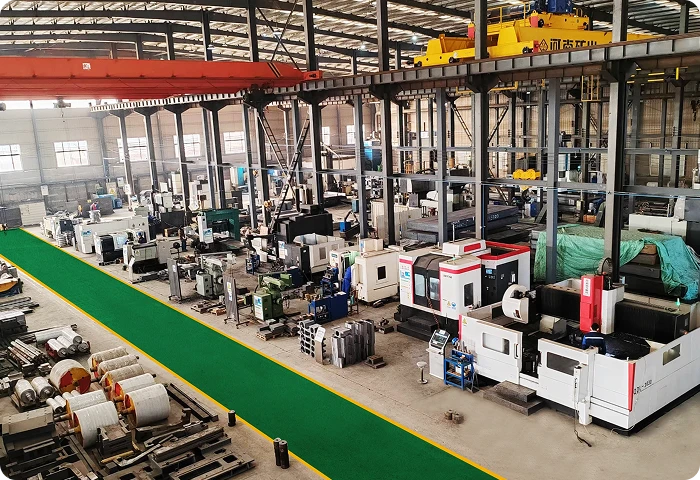
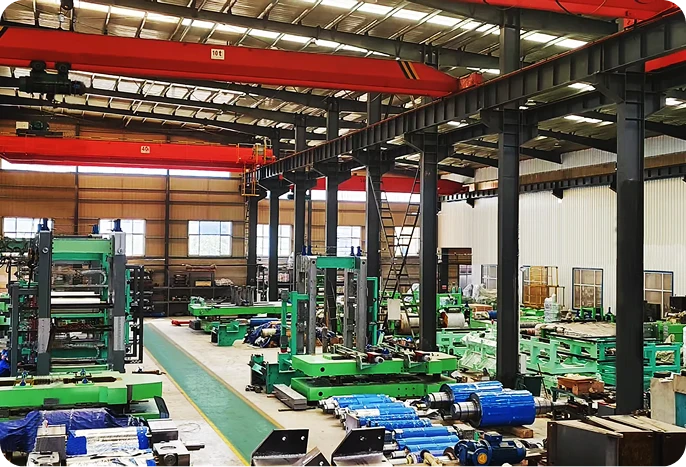
Yang Wang Li Xin operates a state-of-the-art facility over 66,000 square meters,and our manufacturing facility is fully equipped with high-tech machinery and high-capacity cranes. This enables us to handle large work pieces measuring 4.5m in width, 10m in length, and 1.5m in height, guaranteeing our capacity to produce 1800mm skin-pass mills and 1450mm rolling mills. The individual piece can weigh up to 100 tons.


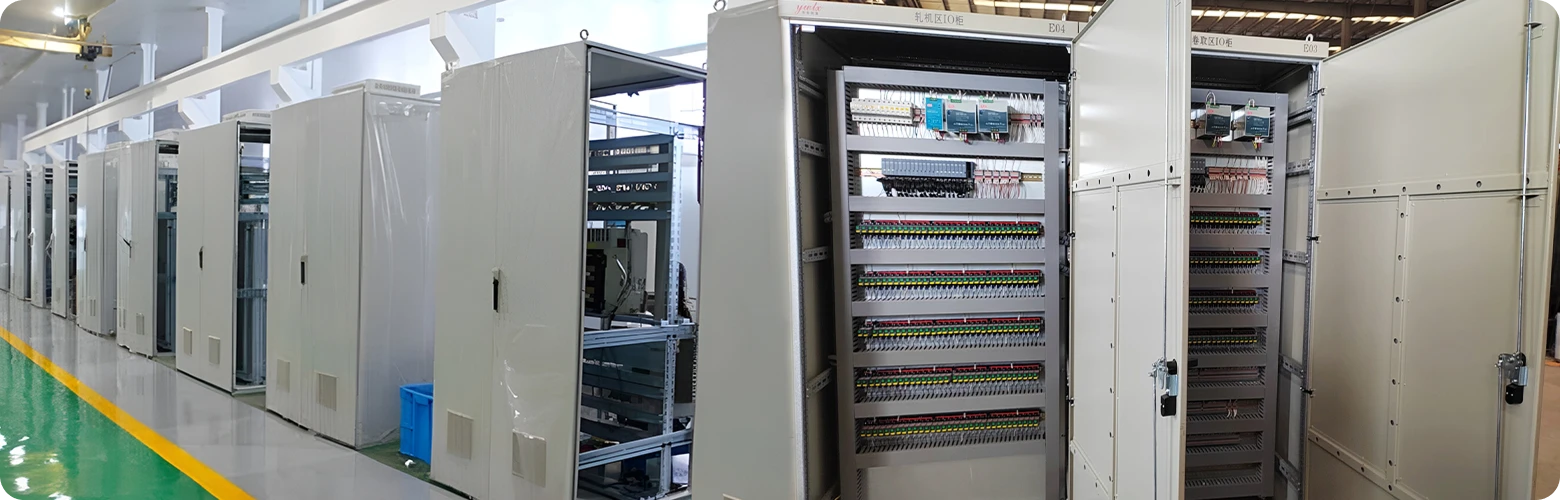
Quality is fundamental to the enterprise survival. We have established a comprehensive and meticulous quality management system and have successfully obtained ISO14000 certification. Starting from the design source, it supervises the entire production cycle, including design, procurement, processing, assembly, in-factory testing, installation, and online commissioning. The workshop is equipped with measuring tools like vernier calipers, spectrometers, hardness testers, and ultrasonic flaw detectors. They are used to check materials and control tolerances to ensure the final equipment meets or exceeds requirements. All products have a unique code, This enables the easy identification and traceability of the equipment components and ensures full control of quality.


-
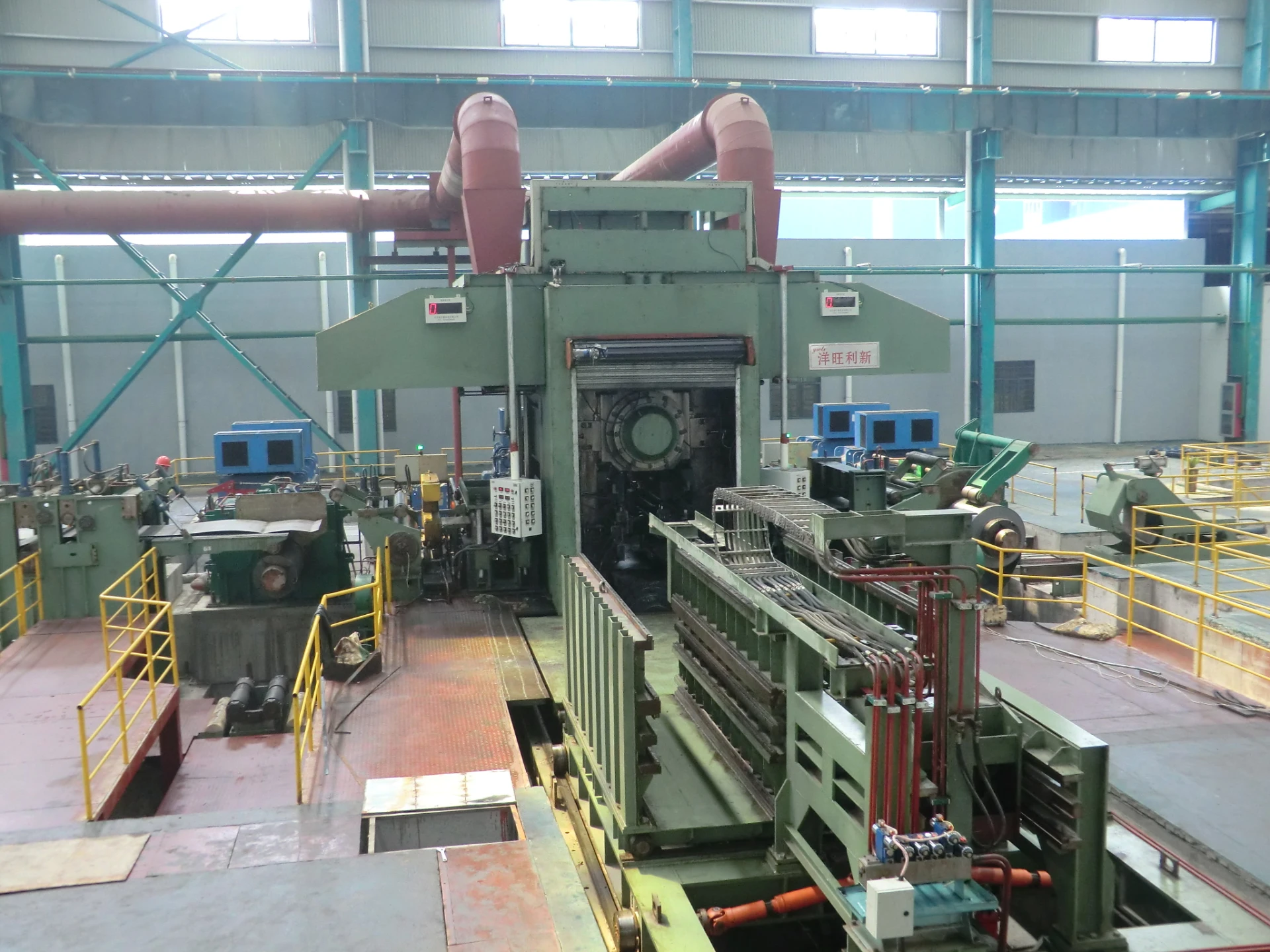 Cladding Rolling Mill - YWLX | Energy-Efficient Bimetallic SolutionsIntroduction to Cladding Rolling Mill Technology The Cladding Rolling Mill represents a significant advancement in metal fabrication, particularly in the production of roll bonding cladding and hot roll bonding cladding . This technology has evolved to address the limitations of traditional methods such as exploding cladding and hot rolling, which often suffer from low surface quality, high energy
 -
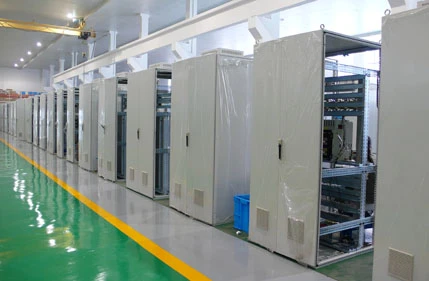 electric rolling millExploring the realm of electric rolling mills offers a fascinating glimpse into the future of crafted metalwork and precision engineering. These innovative devices have transformed traditional metalworking by integrating state-of-the-art technology into a process that has been around for centuries. The modern electric rolling mill is not just a tool but a revolution in metallurgy and artistry. Ele
 -
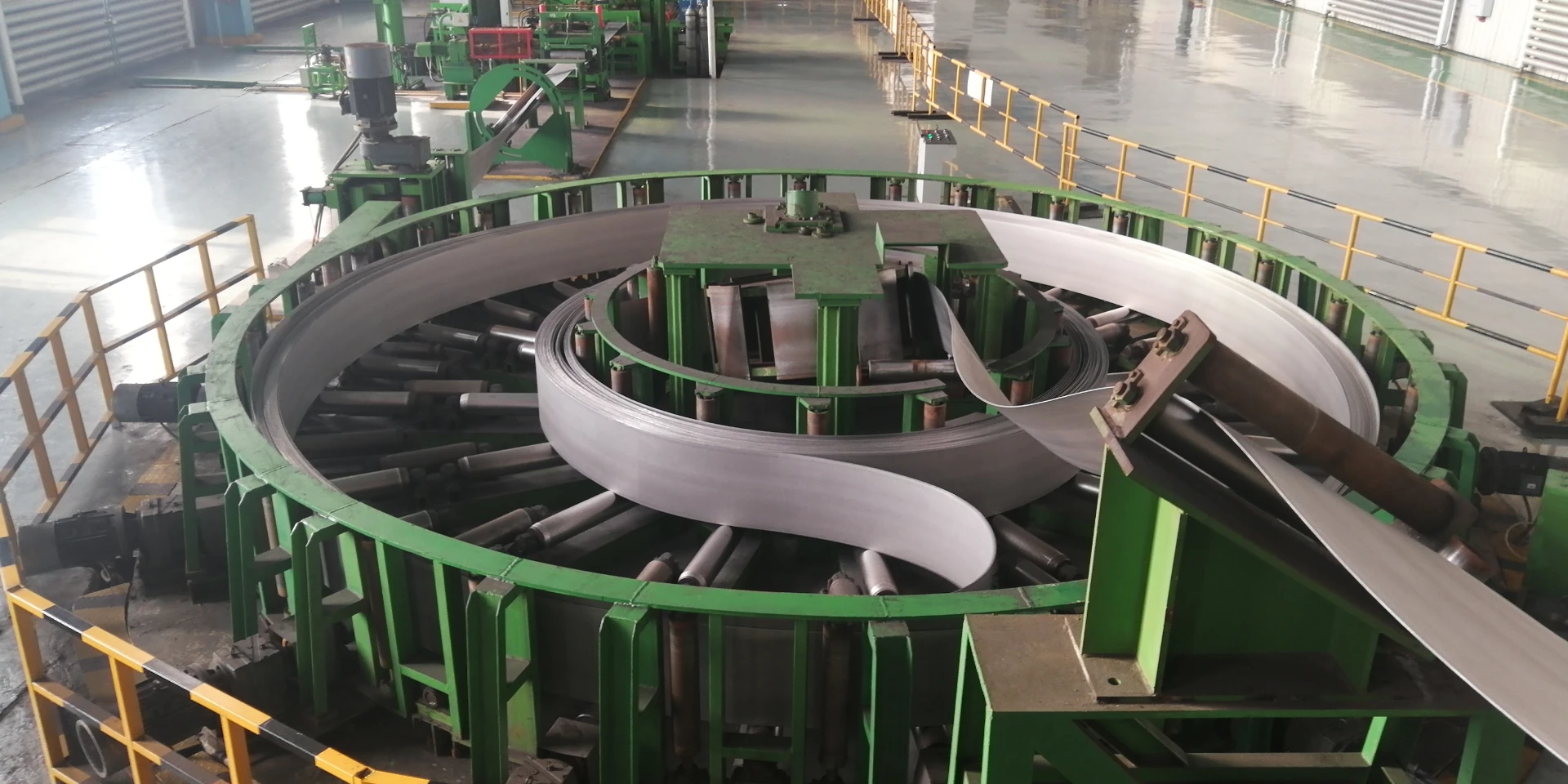 Skin Pass Mill:Key Functions and Applications of Skin Pass Mill in Galvanizing Production LineIn the modern steel processing industry, galvanized sheet metal is widely used in various fields such as construction, automobiles, and home appliances due to its excellent corrosion resistance and wide range of application scenarios. On the galvanizing production line, the Skin Pass Mill , as one of the key equipment, is responsible for shaping surface roughness, improving sheet flatness, optimiz


